

How to Tell If You Need Roof Repair or a Full Roof Replacement
In the Bay Area, a roof can look “fine” from the street while hiding small problems that turn into major damage after one heavy storm. Homeowners often ask the same question: should I repair the roof—or replace it? The right answer depends on the roof’s age, the type of damage, and whether leaks are recurring.
Common signs you may only need a roof repair
A roof repair is usually the best choice when the problem is localized and the rest of the roofing system is still in good shape.
-
A leak started recently and is coming from one area (often near flashing, vents, or chimney transitions)
-
A few shingles/tiles are cracked, missing, or lifted after wind
-
You see minor flashing damage around penetrations
-
The roof is relatively newer and has no widespread wear
-
The decking and rafters underneath are still solid (no rot or sagging)
A professional repair should address the source of the leak, not just the visible stain inside. Many repeat leaks come from poorly installed flashing, improper sealing, or water getting in at roof edges and transitions.
Signs a roof replacement may be the smarter long-term option
If repairs keep happening, replacement can cost less over time than constant patchwork—especially when water is affecting the underlying structure.
-
The roof is near the end of its expected lifespan
-
Leaks happen in multiple areas or keep coming back
-
Shingles are curling, brittle, balding, or cracking across large sections
-
You notice sagging spots, soft areas, or signs of rot in the roof structure
-
The roof has multiple layers or past repairs that make new repairs unreliable
-
Moisture problems are spreading to insulation, drywall, or framing


with safety helmet, new home, construction concepts – Selective focus.
vintage film grain filter effect styles
Why many roof leaks start at chimneys and flashing
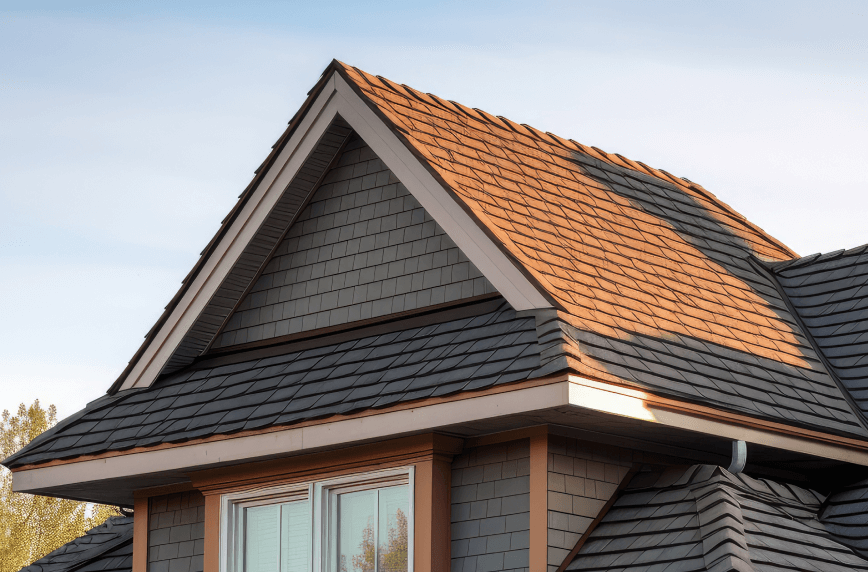
In Oakland and nearby areas, a large portion of leaks come from chimneys, valleys, skylights, pipe boots, and flashing transitions. These areas move slightly over time due to expansion, settling, and wind. If flashing is aged, cracked, or installed incorrectly, water can slip underneath roofing materials and travel before it shows up inside.
If you’re seeing stains near the fireplace wall, ceiling corners, or around roof penetrations, don’t assume the leak is “right above” the stain—leak paths can travel several feet.
What to expect from a professional roof inspection
A good inspection should include:
-
Checking shingles/tiles, ridge areas, valleys, and edges
-
Inspecting flashing and sealing at penetrations and chimneys
-
Looking for gutter overflow or drainage problems that push water back onto the roofline
-
Assessing the roof deck/framing for soft spots, rot, or sagging
-
Recommendations with clear options: repair vs replacement
Book an inspection in Astoria
If you’re unsure whether your roof needs a repair or replacement, All Borough Home Improvements can inspect the roof, explain what we find, and recommend the most cost-effective path forward.
-
Address: 18-39 42nd St Astoria, NY 11105 United States
-
Phone: (718) 751-5101
-
Email: info@allboroughhomeimprovements.com
-
Website: www.allboroughhomeimprovements.com

Comments are closed